
About Us
As the built environment ages and societies shift, the challenge lies not in discarding the old, but in reimagining it. The initiative “Reimagining Heritage: Explorations in Adaptive Reuse”—led by the Department of Interior Design—intends to showcase a progressive approach to architectural conservation and spatial transformation through research, design and discourse. We believe that adaptive reuse is not just a conservation strategy but a design philosophy that respects the past while shaping the future. By integrating adaptive reuse into pedagogy, we aspire to bridge theory and practice, empowering students and faculty to engage with the silent stories of buildings and translate them into relevant, functional narratives; where memory and modernity coexist, and architecture continues to live, breathe, and inspire across generations.
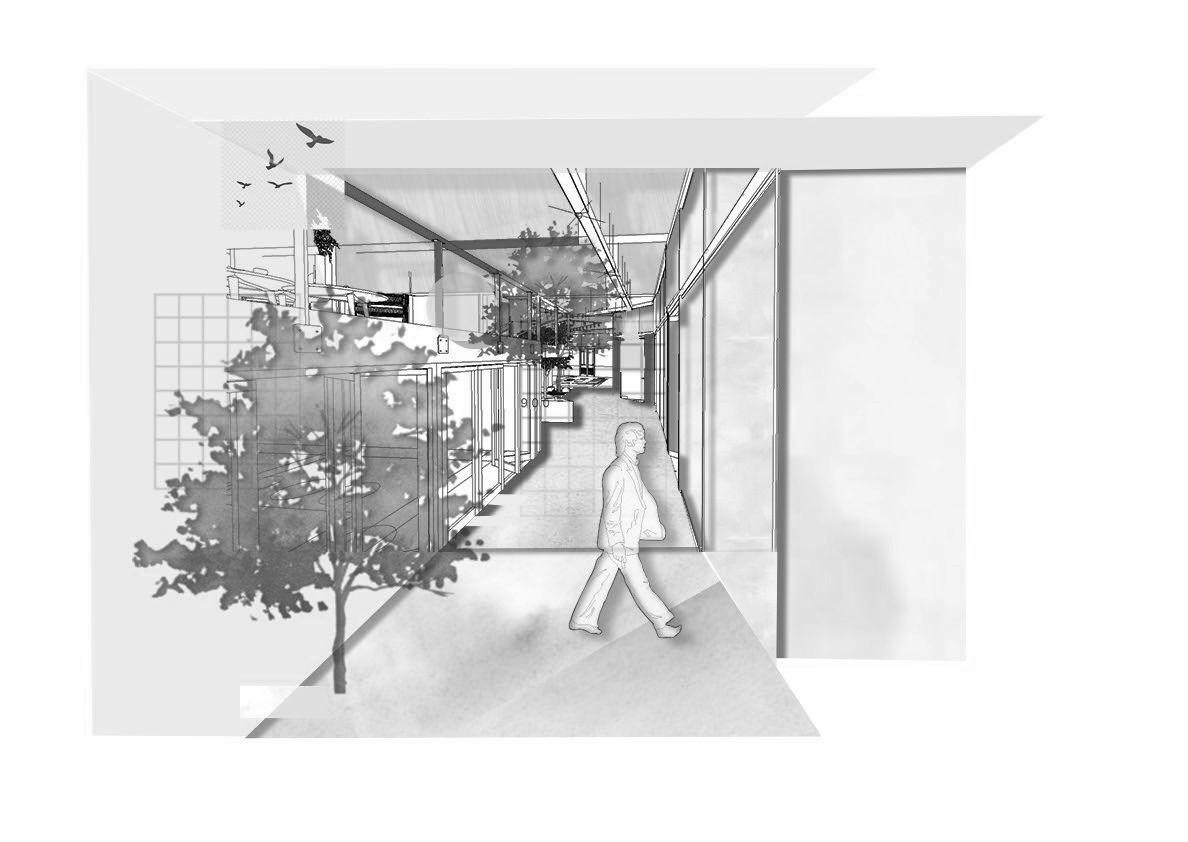
Key Aspects and Objectives
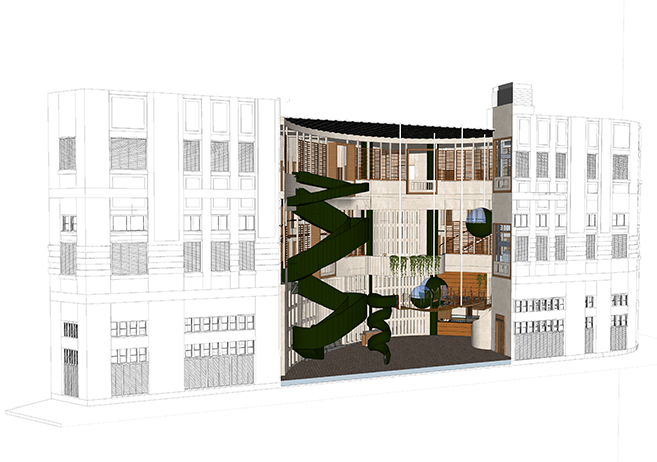
Pedagogical Focus on Adaptive Reuse
-
Encourage critical thinking about how historic buildings can be reinterpreted for contemporary needs while preserving their cultural and architectural significance.
-
Combine research, design experimentation, and hands-on exploration to develop sustainable and creative solutions.
Documentation & Analysis : Preserving Heritage Through Research
-
Emphasize systematic recording of heritage structures through measured drawings,surveys, interviews and archival studies.
-
Analyze structural integrity, material decay and spatial configurations to inform design interventions.
Knowledge Dissemination: Building a Shared Heritage Resource
-
Compile research and design findings from studio projects into an accessible repository for students, academics, and heritage organizations.
-
Enable broader learning and practical applications beyond the design studio, fostering collaboration with conservation stakeholders.
Interdisciplinary Collaboration
-
Aligns with architecture, conservation, engineering, urban design and landscape design to foster holistic approaches to heritage revitalization.
-
Showcase how an interdisciplinary program like Interior Design can benefit, evolve, enrich, and contribute to the discipline of Adaptive Reuse by undertaking complex and challenging projects in studio.
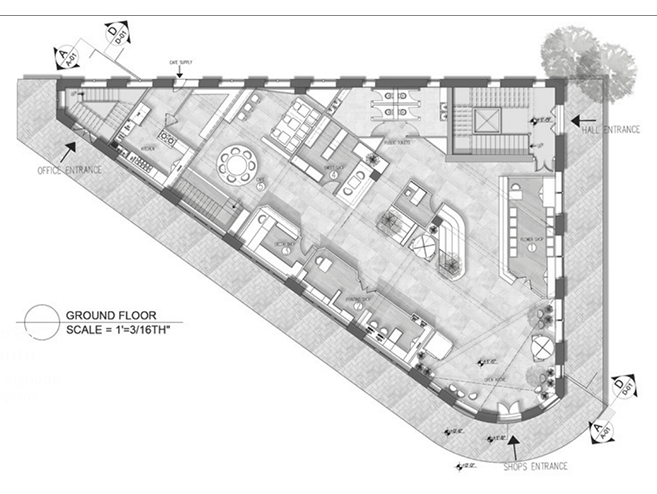
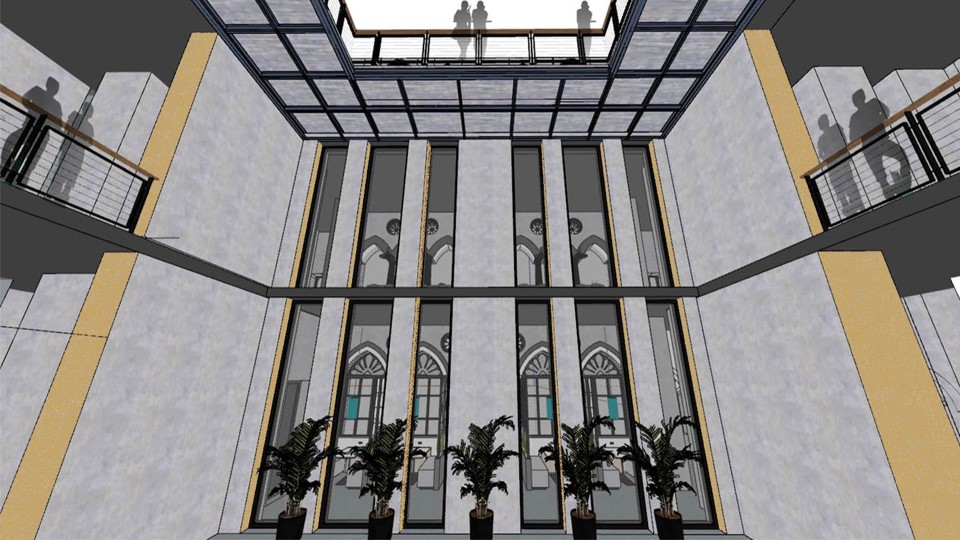
Sustainability & Urban Revitalization
-
Address environmental concerns by minimizing demolition waste and repurposing existing structures.
-
Offer solutions for urban densification by optimizing underutilized buildings.
Student & Faculty Design Explorations
-
Examine materiality, spatial narratives, and functional reprogramming in heritage contexts.
-
Showcase speculative and practical interventions that balance preservation with innovation.